Custom Wax Paper: Printing, Uses & When Greaseproof Is Better
Custom wax paper is one of the most confusingly labeled products in food packaging. Search for it and you will find sheets from $0.05 to $0.55 each, minimums from a few hundred sheets to whole pallet cases, and, quietly, a lot of listings that are not wax paper at all: many suppliers sell uncoated greaseproof paper under the "wax paper" name. Sometimes that substitution is exactly what you want. Sometimes it is not.
This guide sorts out what custom printed wax paper actually is, when a true wax coating earns its keep, when greaseproof is the smarter buy, what printing and minimums look like in 2026, and the disposal trade-off that most listings skip.
What "Custom Wax Paper" Actually Means
Wax paper is base paper treated with wax, traditionally paraffin, sometimes soy-based. The wax is what creates its signature property: a moisture barrier. Within the food-service world you will meet three things sold under this name:
| Sold as | What it really is | Barrier behavior | Best at |
|---|---|---|---|
| Dry wax paper | Paper with wax pressed into the fibers | Resists moisture; moderate grease holdout; low-heat only | Cold sandwiches, bakery counter pickup, liner sheets |
| Wet wax paper | Paper with a heavier surface wax layer | Strongest moisture barrier; waxy feel | Wet items, freezer wrap, produce |
| "Wax paper" that is actually greaseproof | Densely refined uncoated paper, no wax | Resists oil soak-through; handles warm food | Burgers, fries, pastries, basket liners |
The third row matters most for buyers. A large share of "custom wax paper" listings, including some of the biggest ads for the term, are printed greaseproof sheets. That is not a scam; for most hot-food jobs greaseproof simply performs better, and suppliers have learned to meet the search term customers type. But it means you should decide what you need by property, not by product name.
A useful rule: wax for moisture and cold, greaseproof for oil and heat. Wax coatings soften with hot food; greaseproof shrugs off a hot burger but is not itself a waterproof film. The full comparison across paper types, with sizes and prices, is in our deli paper and food wrapping guide, and the parchment side of the question is covered in greaseproof vs. parchment.
Can Wax Paper Be Printed?
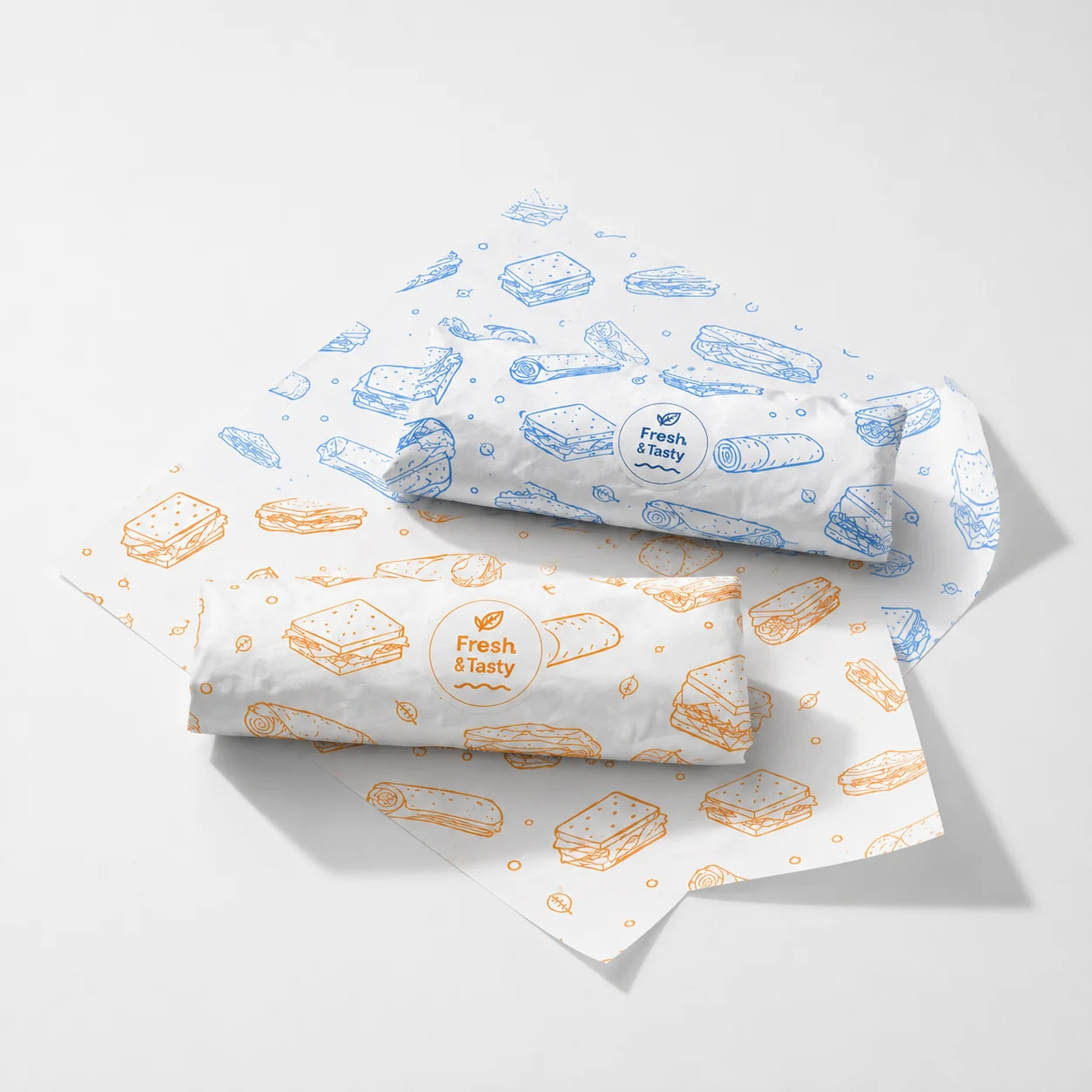
Yes, and how it is done affects both the look and the food-safety story. The standard commercial approach prints the base paper first with food-safe inks and applies the wax treatment after, sealing the print under or into the barrier layer. What to confirm with any supplier:
- Food-safe inks. Water- or soy-based inks are the standard answer for paper that touches food. Ask for it in writing on the listing or spec sheet.
- One-color vs. full-color. A single-color logo repeat is the classic wax-paper look and the budget option; full-color printing usually routes the job onto digital presses and greaseproof stock.
- Print coverage. Heavy solid-ink coverage on a waxed sheet can crack at fold lines. Repeating marks with breathing room age better on wraps that get folded around food.
- Which side touches food. Sheets are typically printed one side; food rides on the unprinted side. Confirm orientation for your use.
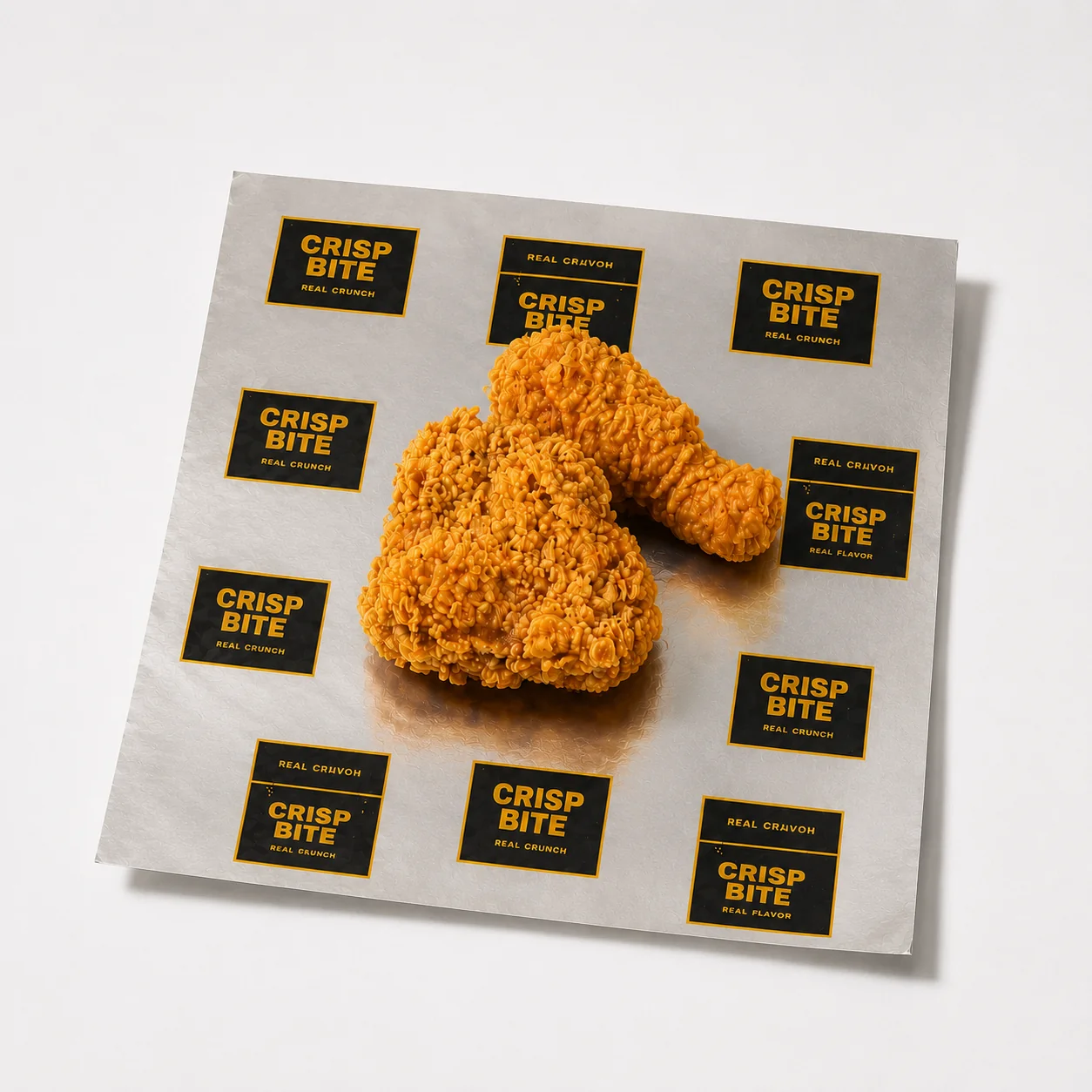
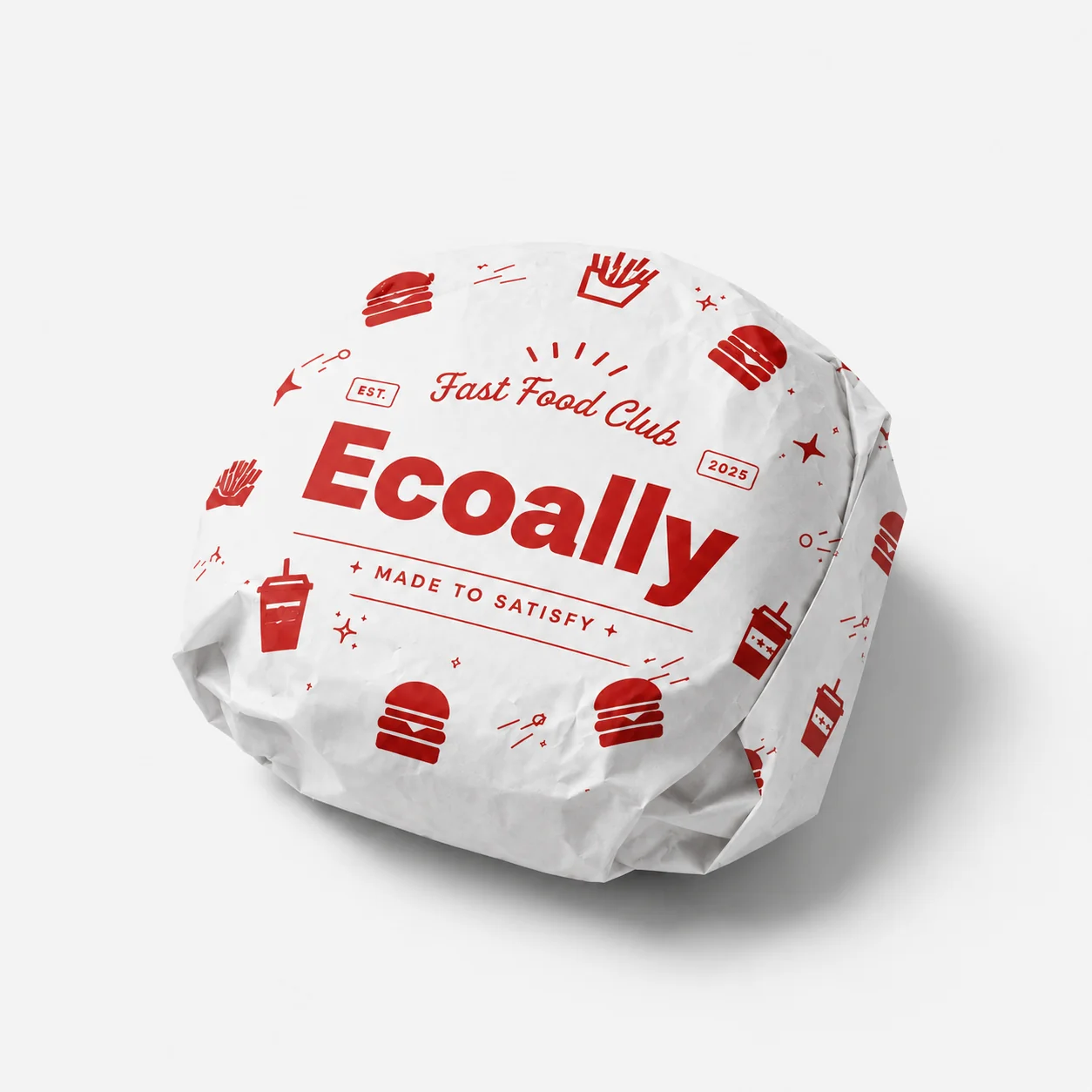
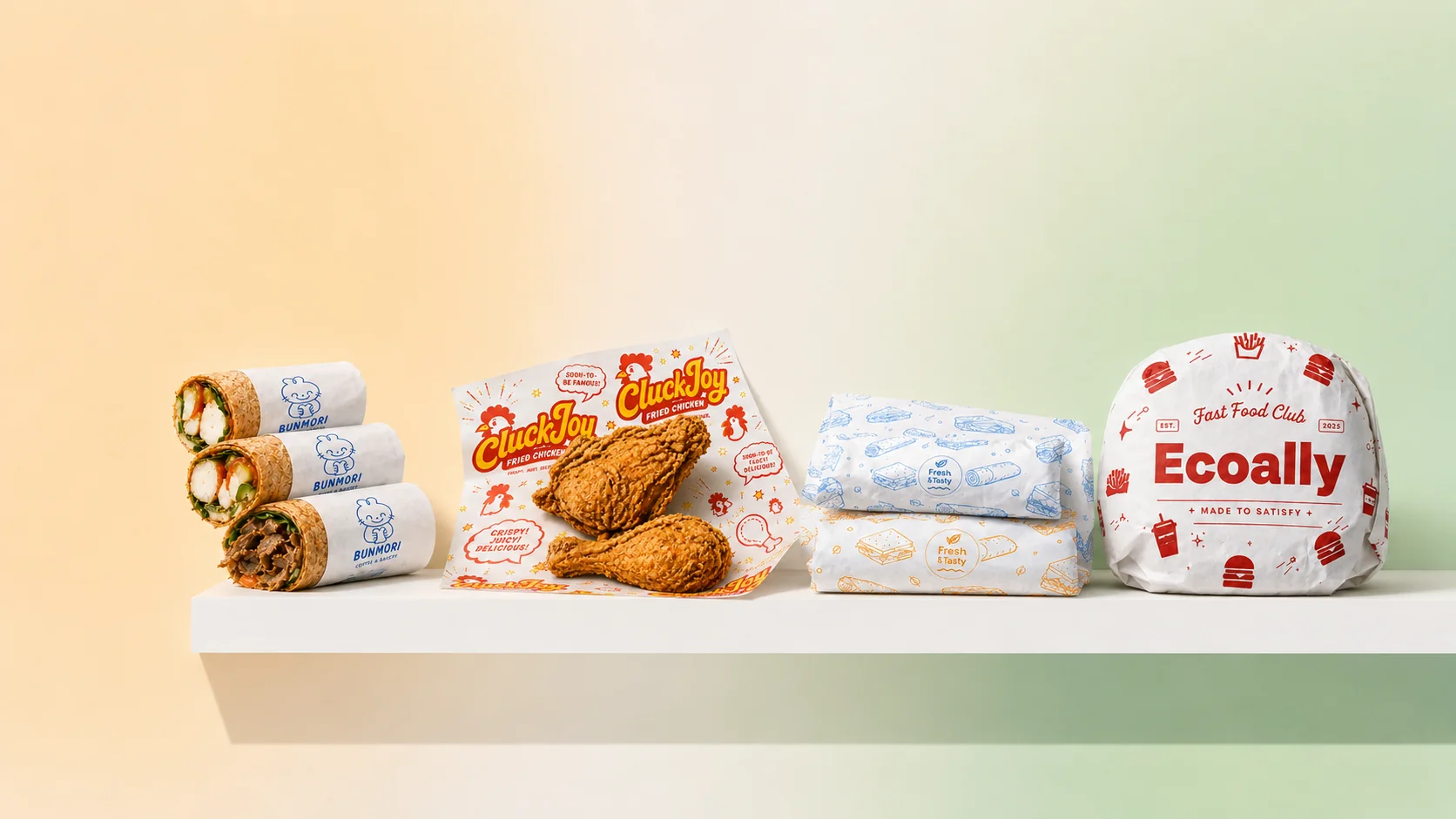
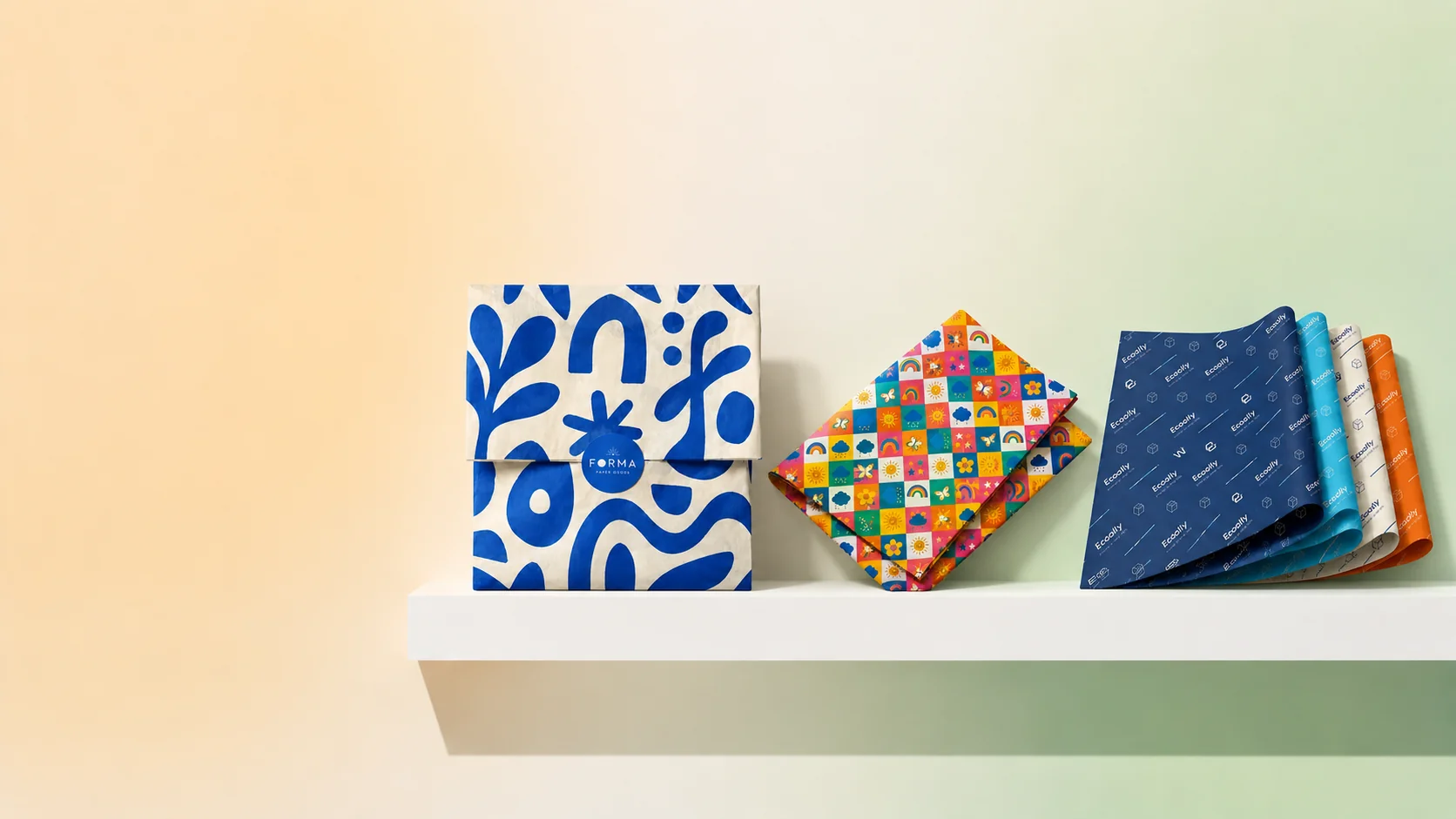
If your artwork is more than a simple mark, printed greaseproof handles detail and color better. Ecoally's custom food wrapping paper takes one-color or full-color printing on a 38 gsm greaseproof base in white or kraft, with the artwork previewed on the sheet in 3D before production.
What Custom Wax Paper Costs in 2026
Surveying published US prices in August 2026, custom-printed wax and wax-style papers cluster around familiar tiers:
- Small online orders: roughly $0.10–$0.55 per sheet from the wave of dedicated wax-paper printers, most of which take orders in the low hundreds of sheets.
- Mid volumes (1,000–5,000 sheets): commonly $0.05–$0.15 per sheet.
- Traditional distributor route: the cheapest per sheet, but sold by the case with custom-print minimums that restaurant owners on forums report as "minimum cases" territory, often several thousand sheets per design.
Two cost notes specific to this category. First, wax treatment adds a processing step, so at identical volumes a true waxed sheet generally costs slightly more than the same sheet in plain greaseproof. Second, the market is young and crowded — many storefronts selling custom wax paper are only a year or two old — so compare landed cost and ask for a printed sample before committing to any large run.
As a reference point from the greaseproof side, Ecoally's printed food papers start at 250 sheets around $0.61 per sheet and step down to about $0.04 per sheet at 20,000, with the tier table public on the product page. The buy-small-first logic for any new packaging item is covered in our low-MOQ guide.
When a True Wax Coating Is Worth It
Choose actual wax paper when the job is about moisture, not grease:
- Cold and cool items: deli sandwiches to go, cheese, candy and caramels, chocolate-dipped goods that need a release surface.
- Counter service and interleaving: pastry pickup sheets, stacking layers that should not stick or wick moisture.
- Non-food uses: soap wrapping, candle and cosmetics packaging, craft goods — anywhere a slightly translucent, moisture-resistant wrap reads as handmade and premium.
Skip wax and go greaseproof when food goes into the wrap hot or oily: burgers, fried chicken, fries, warm pastries. And skip both in favor of parchment when the sheet must go into an oven; wax paper is never oven-safe.
The Disposal Trade-Off Most Listings Skip
Plain uncoated paper is the recycling- and compost-friendly option; wax changes that. Paraffin-waxed paper is generally not accepted in curbside paper recycling, and most industrial composters treat it as a contaminant unless it carries a specific compostable certification. Soy- and vegetable-wax versions do better in composting programs, but acceptance still varies city by city.
If sustainability is part of your brand story, this is a real argument for the greaseproof route: uncoated printed greaseproof keeps the "recycle it clean, compost it soiled" message simple. The full disposal picture, including how long different papers take to break down, is in our compostable food packaging guide.
Ordering Checklist
Five questions settle almost every custom wax paper purchase:
- Hot or cold? Hot and oily food → greaseproof. Cold, moist, or sticky → wax.
- Oven involved? Then neither; you need parchment.
- Artwork complexity? Simple one-color repeat → either stock. Detailed or full-color → printed greaseproof.
- Disposal story? Recyclable/compostable messaging → uncoated greaseproof, or a certified compostable wax sheet.
- Realistic volume? Match the tier to 3–6 months of service, sample first, and only then scale.
If your answers point to greaseproof, the fastest path is to upload your logo to Ecoally's custom food wrapping paper or custom deli paper, preview the repeat in 3D, and start at 250 sheets.
Frequently Asked Questions
Can I order custom wax paper sheets in small quantities?
Yes. Online printers now take orders in the low hundreds of sheets, at roughly $0.10–$0.55 per sheet depending on quantity and printing. Traditional distributors are cheaper per sheet but typically require case-level minimums per custom design. Greaseproof equivalents run on the same small-batch model; Ecoally's printed food papers start at 250 sheets.
Can wax paper be printed with a logo?
Yes. Commercial suppliers print the base sheet with food-safe inks and wax it afterward, so the print sits sealed in the barrier layer. Simple one- or two-color repeats work best; heavy solid coverage can crack along folds, and full-color artwork usually prints better on greaseproof stock.
Is wax paper the same as parchment paper?
No. Wax paper is coated with wax and must stay away from oven heat, where the coating melts or smokes. Parchment is silicone-treated, heat-tolerant, and nonstick. Greaseproof paper is a third thing: uncoated, oil-resistant, fine for warm holding but not for baking.
How can I make my own wax paper?
Crafters make small batches by rubbing or ironing food-grade wax into plain paper between sheets of scrap. It works for gift wrap and craft projects, but it is not practical or consistent enough for food service, and homemade sheets carry no food-contact rating. For anything customers eat from, buy certified food-grade sheets.
Is custom wax paper recyclable or compostable?
Usually not recyclable: the wax coating contaminates paper recycling. Composting acceptance depends on the wax and the facility; soy-waxed and certified-compostable sheets fare best, paraffin-waxed sheets usually go to landfill. Uncoated greaseproof paper keeps both disposal doors open.
What is the difference between wax paper and greaseproof paper?
Wax paper blocks moisture with a wax layer and suits cold or moist items; greaseproof paper resists oil through densely refined fibers, with no coating, and suits hot, greasy food. Many products sold as "custom wax paper" are actually printed greaseproof sheets, so check the material line, not the product title.
Match the Paper to the Job, Not the Name
The name on the listing matters less than the property you need: wax for moisture and cold, greaseproof for oil and heat, parchment for the oven. Decide by job, sample before you scale, and put your logo on whichever sheet your menu actually calls for — the 3D preview shows the artwork on the sheet before you spend anything.